The Stories We Share
The Stories We Share is a video series of individuals sharing their perspective, experience and intersection with race. The full videos are available for viewing below.
This project was created by the City of Edina's employee Racial Equity Advancement Team (REAT) and Edina TV. The Racial Equity Advancement Team is comprised of employees in sub-groups focusing on engagement (staff and community), training (creating and facilitation), work plan (coaching and support).
View the stories and consider sharing yours!
The Stories We Share is a video series of individuals sharing their perspective, experience and intersection with race. The full videos are available for viewing below.
This project was created by the City of Edina's employee Racial Equity Advancement Team (REAT) and Edina TV. The Racial Equity Advancement Team is comprised of employees in sub-groups focusing on engagement (staff and community), training (creating and facilitation), work plan (coaching and support).
View the stories and consider sharing yours!
Share your story!
We are encouraging staff and community members to share their own stories on racial perspective and experiences. Sharing your story can either be written or done by personally recorded video messages. Photos can also be submitted.
Everyone has the right to share their story and experiences. While individuals may have varying opinions, respect each person's experience and insight.
We would love to hear from you!
-
Share Jessica's Story on Facebook Share Jessica's Story on X (formerly Twitter) Share Jessica's Story on Linkedin Email Jessica's Story link
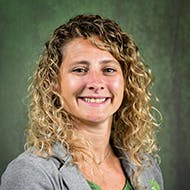
Jessica's Story
over 5 years agoIn 2017 I had a conversation that changed my life.
It is difficult to describe my state of mind as I showed up to an Equity and Diversity workshop on a February morning. A dear friend had unexpectedly died the week prior and I was in deep - feeling all the feels. I was in pain, and my existential musings had left me examining my relationships with people.
I have a family member who is transgender. Several other family members won’t acknowledge the name this person has chosen or the pronoun this person identifies with.
I approached the speaker after... Continue reading
In 2017 I had a conversation that changed my life.
It is difficult to describe my state of mind as I showed up to an Equity and Diversity workshop on a February morning. A dear friend had unexpectedly died the week prior and I was in deep - feeling all the feels. I was in pain, and my existential musings had left me examining my relationships with people.
I have a family member who is transgender. Several other family members won’t acknowledge the name this person has chosen or the pronoun this person identifies with.
I approached the speaker after the workshop to ask her some questions. I wish I could say I started the conversation by asking how to be an ally. Instead, I am embarrassed to say the conversation started with me describing how awkward my family situation was and asking for advice on how to cope so that I could feel more comfortable; I was primarily concerned about my own feelings. I had married into the family and had resolved to stay out of the family drama for fear of disapproval. I told myself it wasn’t my fight. I had believed that silently supporting transgender people was enough.
I believe people ought to be able to show up as their true selves and everyone deserves access to the same comfort of safety, respect, and opportunity regardless of gender, gender identity, and sexuality.
When I approached the speaker, I was essentially asking how I could cope with the awkwardness I was feeling. My actions in that moment and up to that moment did not align with the values that I believed I held.
She did not indulge my question. Instead, she asked me some questions that challenged my position and changed my perspective entirely. She asked me to imagine how this person feels every time the wrong name is used. Every time the wrong pronoun is used. Every time a longtime girlfriend is introduced as a friend. How uncomfortable this person must feel. And to have this coming from the people who are supposed to care for them the most - family.
And then the real kicker; she asked me, “Could you spare a little of your own comfort to be an ally?”
Absolutely. I absolutely could. It was remarkably simple and obvious. That was a powerful moment of insight. The right thing to do was actually lean into the awkwardness, to make myself uncomfortable and risk disapproval by some in order to be an ally.
Sharing this story is embarrassing. My actions weren’t in line with the values that I thought I held. I was ashamed.
I no longer question what name or pronoun to use. I no longer speak in terms that allow me to avoid using pronouns. I no longer shift the name or pronoun based on who I’m talking to. And I acknowledge I still have a long way to go to being an ally.
Using the proper name and pronoun is not big or brave. I practice courage by being vulnerable and owning this story about my missteps and processing my shame in failing to live my values. I take comfort in knowing that courage is a skill, and like any skill, we can learn, practice, and build as we go.
2017 gave me the gift of insight. 2020 gave me the gift of introspection.
Since the killing of George Floyd I’ve been thinking deeply about my values, my actions, my biases, and my blind spots related to race.
What do I value? Do my actions align with my values? What biases do I hold? What don’t I understand about Black experiences? What would I do if I were confronted with a situation that challenged me to spare my own comfort? Would I give it freely? Would I have the courage to act in a way that aligned with my values? What would I be risking, and would it be worth risking? Would I be able to look back and feel proud? Or upon reflection would I regret my reaction, or inaction?
Confronting my biases and contemplating my shame feels bad. This is awkward. This is uncomfortable. This is practice. This is growth. And I am here for it.
-
Share Noah's Story on Facebook Share Noah's Story on X (formerly Twitter) Share Noah's Story on Linkedin Email Noah's Story link
Noah's Story
by Noah, over 5 years agoI was born and raised in Edina. Later in childhood, my family moved to Eden Prairie. I experienced limited diversity within these communities. Being a white male, I didn’t think about race and equity much. My mother and father were from families of different religious beliefs. This difference created some conflict between the families and raised my awareness of intolerance and prejudice.
As a City of Edina employee, I have had the opportunity to join the Government Alliance on Race and Equity (GARE) team, Race and Equity Task Force, and Race and Equity Advancement Team (REAT). I figured my experience... Continue reading
I was born and raised in Edina. Later in childhood, my family moved to Eden Prairie. I experienced limited diversity within these communities. Being a white male, I didn’t think about race and equity much. My mother and father were from families of different religious beliefs. This difference created some conflict between the families and raised my awareness of intolerance and prejudice.
As a City of Edina employee, I have had the opportunity to join the Government Alliance on Race and Equity (GARE) team, Race and Equity Task Force, and Race and Equity Advancement Team (REAT). I figured my experience with family and religious differences would easily relate to race and equity work. I quickly learned how little I knew about race and equity and struggled with my own biases and perceptions. At times, I would find myself frustrated and confused when what I thought was so right was not necessarily so. As my journey continues, it’s about connecting human to human and taking the time to listen and understand each other.
Just and balanced racial equity is necessary for our society to be successful. I don’t believe there is a quick fix for such a complex issue. I do believe race and equity advancement work will continue to move us towards a more inclusive and equitable society. The examples I set for my children and the discussions we have, will shape the next generation to carry on in this important work.
-
Share Katie's Story on Facebook Share Katie's Story on X (formerly Twitter) Share Katie's Story on Linkedin Email Katie's Story link
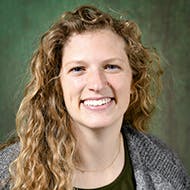
Katie's Story
almost 6 years agoMy name is Katie Laux. I joined the City's Racial Equity Advancement Team last month.
George Floyd was murdered a mile from my house, on a block I go by every day, a block from my toddler’s daycare. It was a wake-up call. One consequence of white privilege is that I don’t have to think about race. I have believed that I am exempt from white supremacy in a way; that I am an ally to BIPOC. I think this belief has prevented me from learning more and committing to lifelong work. I am honored to be a part of... Continue reading
My name is Katie Laux. I joined the City's Racial Equity Advancement Team last month.
George Floyd was murdered a mile from my house, on a block I go by every day, a block from my toddler’s daycare. It was a wake-up call. One consequence of white privilege is that I don’t have to think about race. I have believed that I am exempt from white supremacy in a way; that I am an ally to BIPOC. I think this belief has prevented me from learning more and committing to lifelong work. I am honored to be a part of the REAT team and continue learning.
My grandparents were proud of their Scandinavian heritage and passed on many wonderful traditions to me and my family. They also benefitted from a system of white affirmative action for many generations. Though my grandma’s family was very poor and did not own land, my grandpa’s family came over from Norway earlier, and homesteaded in North Dakota. The Homestead Act that helped my family also gave 85 million acres of (Indian) land to other European homesteaders in the first 10 years.
My grandpa’s parents lost the farm in the Great Depression. My grandparents talk a lot about the hardships and hidden blessings of that time (like playing in the deserted town). Later, he (and many other members of my family) went to college for free on the GI Bill. I learned in a YMCA Racial Equity Workshop this year that the GI Bill is now considered the biggest transfer of economic advantage to white people in the history of this nation. Black GIs qualified for the scholarships, but almost no colleges would accept them as students, essentially making it a gift for only whites.
My family moved to Madison, Wisconsin when I was a young child. I grew up in a mostly white neighborhood, church & schools.
When I was a teenager, my mom’s elementary school (she was a librarian) shifted from being mostly white middle class students to poor Black students. Her new students often received their only food at school. She went through race & equity training in the Madison Metropolitan School District, and we had a lot of conversations about what she learned. Slowly, many of my mom’s teacher friends moved to other schools.
One of the biggest acts of racism I grew up with was a heartbreaking love story. My best friend was in love with one of our Black classmates all through high school, but her parents forbade her from dating him because of his skin color.
This story was hard to write because I thought about my family’s story in a way I hadn’t before. As a white woman, race shaped every aspect of my life from the moment I was born, but I don’t think about my own story about race – one of the benefits of a system that oppresses people of color.
I feel like I’m in a mistake-making period of this journey. And maybe will be for a long time or forever?! Making mistakes is hard. But the more I learn, the more I know. And the less unintentional harm I will cause with the goal of antiracism.
What has helped me learn the most so far has been reading books, learning the real history of the U.S., going to protests, and living in different cities and making friends with people from around the world and listening to their stories.
-
Share shawkinson@edinamn.gov on Facebook Share shawkinson@edinamn.gov on X (formerly Twitter) Share shawkinson@edinamn.gov on Linkedin Email shawkinson@edinamn.gov link
shawkinson@edinamn.gov
almost 6 years agoStephanie's Story
I grew up in Southwest Minneapolis, which as you know is an upper middle class, predominantly white neighborhood. My dad was a grocery store owner following in the footsteps of his father who opened the first commercial business in Linden Hills. I felt a deep sense of legacy growing up. I saw my parents as leaders – in the church, in the schools, in area businesses. I never internalized that as privilege, but clearly it was.
My dad used to hire Native Americans for odd jobs around the house and store “at the end of the month when... Continue reading
Stephanie's Story
I grew up in Southwest Minneapolis, which as you know is an upper middle class, predominantly white neighborhood. My dad was a grocery store owner following in the footsteps of his father who opened the first commercial business in Linden Hills. I felt a deep sense of legacy growing up. I saw my parents as leaders – in the church, in the schools, in area businesses. I never internalized that as privilege, but clearly it was.
My dad used to hire Native Americans for odd jobs around the house and store “at the end of the month when the welfare check was spent” as he put it. As a kid, I just took this as a statement of fact. He was friends with Big Bear, so I did not see this as derogatory. Later, as an attorney he did a ton of pro-bono work for the Hmong community and later for the Somali Community. He sued the Minneapolis Police Department numerous times for racial discrimination to the point where we were fearful that there was a bounty on his head. One time the police ran over a little Black boy on his bike. The police then went and had the bike fixed - destroying evidence. I grew up with stories of discrimination. The problem with all this, despite his large and generous heart, was that I grew up with the perception that People of Color needed my assistance. I needed to help them. Like I was a benefactor that they required charity.
My mom was a drug Counselor. Growing up we often had “wayward” kids living in our house – runaways, recovering drug addicts, kids whose homelife was untenable. Although these kids were white, I was exposed to the fact that not everyone had my experience. Maybe it was good that they were white – to show me that not just POC need some assistance. Again, though, placing me in the position of benefactor.
We also had exchanges students from other Countries who informed me of their different world views. One time one of the student’s father visited. It was before the Bosnia war and he was high up in the Serbian Government. He talked in glowing terms about Eugenics and racial superiority. Although horrified my parents remained silent because to speak up would be “rude” as he was our guest. True non-confrontational Minnesotans.
I went to college in North Carolina, which was much more diverse then MN. During one summer school session my core groups of friends were people of color – Asian, Black, Brown. I learned a lot from them. I learned how Simone could not visit her white’s boyfriend’s mother at her home because Simone was Black. I learned how Country Clubs could be “White Only” where the members used derogatory nomenclature for the staff who were primarily African American. I saw in my dorm the Black maids cleaning up the vomit of rich white kids who drank too much the night before. I was floored and shaken. In the south and my mostly white University I was exposed to a value system that I thought was reprehensible, such as a high school student stating “Of course there are poor people. How else would my father get rich.” I rebelled against the status quo and began volunteering in the community and then left for China for 9 months to immerse myself in someplace that was not predominantly white and privileged. Returning to the US threw me into a tailspin which required months before I could settle in.
In Grad School I took off again, this time for Singapore. That Country is rich with a diversity of people. At one point I had the option to pursue a career there, but I realized that overseas I would forever be an outsider. I felt I could have more influence stateside where my privilege could be put to work to help make life better for others (again, not shedding my responsibility as a benefactor. I still had lots to learn).
I know my upbringing and my opportunities have contributed to implicit biases. Is still struggle with not placing people with different backgrounds and different skin color as “other.” I’ve been friends with Gloria, a biracial woman, for 20 years. It was during a call this spring when she broke down in tears and said she finally felt “seen.” It took TWENTY YEARS. As a white person in a predominantly white community I’m just on the cusp of understanding the experiences of People of Color.
Being a part of the Race Equity Advancement Team at work helps guide me on my journey. I am coming to terms that staying silent does not equate with having manners, but rather can make me complicit in the explicit biases I witness. This needs to change and I need to speak up. I am sure I will stumble and make mistakes, but I am committed to becoming an ally.
-
Share Ivan’s Story on Facebook Share Ivan’s Story on X (formerly Twitter) Share Ivan’s Story on Linkedin Email Ivan’s Story link
Ivan’s Story
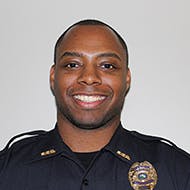
almost 6 years agoGrowing up in a diverse neighborhood, with a diverse group of friends and having BI-POC family, I was fortunate to have exposure to different people and cultures. I find that more important as I get older. I unfortunately have been on the receiving end of negative actions by people of color and have witnessed hatred towards people of color. The influences I grew up with, luckily kept me from forming inaccurate generalizations of people different than me. However, it did create some apprehensiveness when I was younger. Throughout my life, I have always enjoyed learning about, getting to know, and
... Continue readingGrowing up in a diverse neighborhood, with a diverse group of friends and having BI-POC family, I was fortunate to have exposure to different people and cultures. I find that more important as I get older. I unfortunately have been on the receiving end of negative actions by people of color and have witnessed hatred towards people of color. The influences I grew up with, luckily kept me from forming inaccurate generalizations of people different than me. However, it did create some apprehensiveness when I was younger. Throughout my life, I have always enjoyed learning about, getting to know, and connecting with people. The fact that we still have systems and ideas to look down and hold down people different than us, angers me. Besides the stories of racism told by my BI-POC cousins, the most influential lessons I ever learned about racism came from my friend, Walker. Walker was the janitor at my elementary school. I knew him from first grade and we still keep in touch. When I was in high school, I worked my summers with him as a janitor, readying the grade school for the following school year. Walker was an open book. Told me his stories about growing up during segregation, being belittled at his jobs and the significance of being called "boy." He allowed me to ask questions no matter how ignorant they seemed. As a white kid growing up in the 90's and 2000's, I'm sure there were many. My father passed away when I was 13. From that point on, there were several men in my life that I looked to, to guide me during that period's most important time of development. Walker, now in his 70's, was one the most influential men in my life and remains my friend to this day. He has always treated me like a son and I have grown protective of him, therefore RACE work to me is a little more personal. If I had learned anything from him, it was to always judge people off of their character and not color. I don't always agree with what is determined as racism today. But if I didn't keep an open mind to understand the other point of view, nor be a part of the change that WE ALL know needs to happen I would simply be disregarding everything Walker taught me and betraying my own character. Therefore, to understand people, you need to learn about them. In my field of work, I had never noticed the level of mistrust or discomfort that some members of the Somali community may have for us. It wasn't until I began learning how to speak Somali, that I saw a huge change in our interactions. My journey learning about Somalia and Somali people only reinforces the importance of our need to communicate with each other and hold respect for each other's backgrounds. I joined REAT to grow personally, professionally and to help fill the large cracks that exist within the structures of our society.
-
Share Tiffany Bushland on Facebook Share Tiffany Bushland on X (formerly Twitter) Share Tiffany Bushland on Linkedin Email Tiffany Bushland link
Tiffany Bushland
almost 6 years ago
My name is Tiffany Bushland. I am a member of the City’s Race Equity Advancement Team. As a white woman from rural Minnesota I was brought up in a privileged world. I am genuinely interested in race and equity work to be more educated. Within the City of Edina, I am a Recreation Supervisor in Parks & Recreation. I enjoy people and serving the public. I want to learn more to do better. Serve the public better, be a better friend, leader, and manager.
One thing I have learned about myself when discussing topics of race and equity is that... Continue reading
My name is Tiffany Bushland. I am a member of the City’s Race Equity Advancement Team. As a white woman from rural Minnesota I was brought up in a privileged world. I am genuinely interested in race and equity work to be more educated. Within the City of Edina, I am a Recreation Supervisor in Parks & Recreation. I enjoy people and serving the public. I want to learn more to do better. Serve the public better, be a better friend, leader, and manager.
One thing I have learned about myself when discussing topics of race and equity is that it is okay to make mistakes. I do not speak up when I should, or I say the wrong thing. I am learning, and I am growing. Being committed to a team working to advance race and equity is motivating. Motivating to be more educated and continuing to remind myself to work for all humanity.
-
Share MJ' Story on Facebook Share MJ' Story on X (formerly Twitter) Share MJ' Story on Linkedin Email MJ' Story link
MJ' Story
almost 6 years ago
I am from a small town in South Eastern MN. When I lived there the population was around 600 and I graduated with 23 classmates. My entire class was white, the community was very much white, and my family is all white. I identify as a white woman.
Growing up I had one Asian friend who was adopted and when I was in high school there was one Black kid in a foster program who classmates so endearingly (not) nicknamed “brownie”. It did not phase me at the time.
I enrolled for college at Hamline University in St. Paul which... Continue reading
I am from a small town in South Eastern MN. When I lived there the population was around 600 and I graduated with 23 classmates. My entire class was white, the community was very much white, and my family is all white. I identify as a white woman.
Growing up I had one Asian friend who was adopted and when I was in high school there was one Black kid in a foster program who classmates so endearingly (not) nicknamed “brownie”. It did not phase me at the time.
I enrolled for college at Hamline University in St. Paul which small town folk commonly referred to as “the cities”. I was paired up with a girl from Pittsburgh who clearly had a different experience growing up then myself. Her best friend was Black. I still did not know her best friend, so it still did not phase me.
My freshman year, there was one Black student on my dorm floor. My sophomore year, there were two Black students on my dorm floor. They friended me and I remember them kindly laughing when I asked questions related to race. It was clear I had no idea about race and the color of people’s skin. But alas I was still an innocent small-town girl unimpacted by other people’s experiences with race. It did not phase me.
From my first memories of encountering race to when it started to phase me is mostly a blur. That time was filled with me going through the motions without the acknowledgement of how life events could be different because of the color of your skin. I remember hearing about race and how things were not “equal”, but I am not sure I knew what that meant. I know I encountered folks who had different experiences than mine because of race, but I do not remember taking the time to learn. I think I tried, but I am not sure. Generally, I was an advocate for people, but race was not a discussion point. This topic was not at my dinner table. I was not impacted.
I want to believe that during that time I did my part advancing change, but I am not sure.
Fast forward to 2014 when I started working for the City of Edina. Leave it to a job to provide me with a life changing opportunity! I was able to liaison for the Human Rights and Relations Commission. Lots of exposure to all areas of human rights. This started my journey of learning more about policy, systems, programs and how humans were and still are affected. I attended trainings and learned about the history of racism (might I add history is my least favorite subject). I wished that I knew what I know now. I do not feel like the truth was shared with me. I was able to liaison to the Race and Equity Task Force. More opportunities to hear stories, learn and build a foundation for growth.
Now I get to be a part of an ALL volunteer group committed to advancing the work of Race and Equity. This is where I can continue to ground myself in helping with equity and get to work with some awesome people!
To be clear, it does not stop there. My growth and experiences do not only live in Edina. They are now a part of me. I cannot stop doing this work when the workday is over. This is part of my life. I want to continue to challenge myself and be challenged. I will find ways to share this important topic with my children so they can be part of the change and consider how actions have unintended consequences. I fear (because I probably know) racial equity will not be resolved in my time, but maybe the kids today can experience a different version when they are older. I owe my children the truth.
-
Share Chad Millner on Facebook Share Chad Millner on X (formerly Twitter) Share Chad Millner on Linkedin Email Chad Millner link
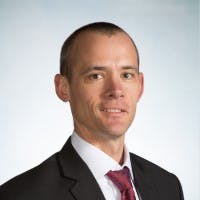
Chad Millner
almost 6 years agoMy name is Chad Millner. I am the City Engineer for the City of Edina. I am a white, middle-aged man from central Minnesota. In 2019, I volunteered to be on the City’s Race & Equity Advancement Team (REAT). I offered to participate for both personal and work related goals. I personally have a desire to listen and learn about race and equity topics. As an agency, we have a Race and Equity Implementation Plan and we have specific workplan items every year. When I started this journey I was naïve. I had very little exposure to race related experiences... Continue reading
My name is Chad Millner. I am the City Engineer for the City of Edina. I am a white, middle-aged man from central Minnesota. In 2019, I volunteered to be on the City’s Race & Equity Advancement Team (REAT). I offered to participate for both personal and work related goals. I personally have a desire to listen and learn about race and equity topics. As an agency, we have a Race and Equity Implementation Plan and we have specific workplan items every year. When I started this journey I was naïve. I had very little exposure to race related experiences. I would classify my life as white privileged. To say the past 6 months of my journey have been enlightening is an understatement. With the killing of George Floyd and related civil unrest, these discussions have been front and center and in some cases, very uncomfortable. I believe very uncomfortable is the only way to make progress.
I’ve had the opportunity to participate in monthly REAT meetings and discussions, seminars from Strategic Diversity Initiatives, department level and executive leadership team discussions. My department has made it a goal to continue race and equity discussions on a regular basis as part of our weekly department meetings. These discussions have provided opportunities for staff to react to articles, videos or other topics. The opinions and life experiences shared during those discussions are remarkable. It has given me a much better idea of the challenges people of color face and I am better for it.
Before I started this journey, I truly believed that success was directly linked to hard work and that anything was possible. I never considered race as part of that equation. It was never part of the thought process. I now know that I should have. I have since changed my belief around hard work. Hard work alone does not equal success for specific members of our society. There are so many road blocks and biases towards people of color that even with hard work, success does not happen in the same way. People of color are beginning their journey from a different starting line. How do we align those starting lines after so much history?
My journey has created more questions than answers but that is a good thing when you believe in continuous learning and continuous improvement. In my opinion, that is the only way we can move to a more equitable society, by listening, learning, and making decisions for the betterment of all.

-
Phone 952-826-0360 Email MLamon@EdinaMN.gov -
Phone 952-826-1610 Email ddavis@EdinaMN.gov -
Phone 952-826-0432 Email tbushland@EdinaMN.gov -
Phone 952-826-0318 Email cmillner@EdinaMN.gov -
Phone 952-826-0330 Email IMazurkiewic@EdinaMN.gov